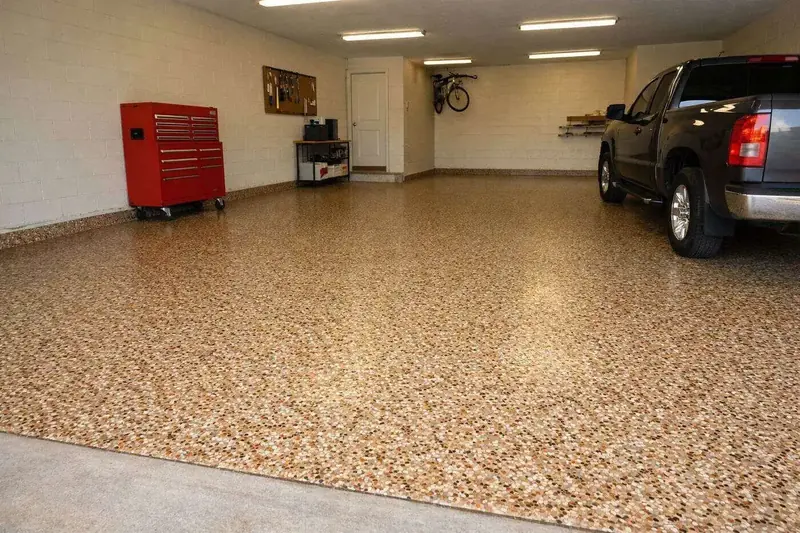
Here is the honest verdict: yes, a professionally installed epoxy floor with real surface prep and moisture testing is worth it in Baton Rouge — and a cheap DIY kit rolled over a damp, un-tested slab usually is not.
"Is it worth it?" is the right question, and most articles answer it like a sales brochure. We would rather give you the version we would give a friend. Epoxy is a genuinely excellent product when it is installed correctly, and one of the worst-performing products on the market when it is not. The gap between those two outcomes has almost nothing to do with the brand on the bucket and everything to do with what happens to the slab before any coating goes down. In Baton Rouge, where humidity and slab moisture are constant factors, that gap is wider than in almost any other market.
So the answer is not a flat yes or no — it is "yes, under these conditions" and "no, under these others." Below we lay out the real pros, the cons we wish more contractors talked about, how epoxy compares to the cheaper and pricier alternatives, and exactly when it pays off versus when you should keep your money. For the short version applied to your slab, call us at (337) 243-3062 for a free, no-pressure assessment.
The Short Answer
For the large majority of Baton Rouge homeowners and business owners, a professionally installed epoxy or polyaspartic floor is worth the money. Done right, it lasts 10 to 20 years, shrugs off oil, salt, dropped tools, and pressure-washer chemicals, wipes clean with a mop, and turns a dusty utility slab into a space you actually want to use. Spread across that lifespan, the price per year is low — far lower than repainting a garage floor every couple of seasons or living with concrete that keeps dusting and staining.
The deciding factor is not the product brand — it is prep and moisture testing. The exact same gallon of high-quality epoxy gives you a twenty-year floor on a properly ground, moisture-tested slab and a peeling mess within a year on a slick, damp one. So a quick rule of thumb for Baton Rouge: if your plan includes diamond grinding, a moisture test before any product goes down, a full multi-coat system, and a UV-stable topcoat, epoxy is almost certainly worth it. If your plan is a weekend big-box kit rolled straight onto the slab, it usually is not — and the rest of this article explains exactly why.
The Real Pros
When epoxy is installed properly, the benefits are not marketing fluff — they are the genuine reasons it has become the default upgrade for garages and shop floors across Prairieville, Denham Springs, and Gonzales:
- Durability that outlasts the alternatives. A professional epoxy or polyaspartic system bonds into the concrete and handles vehicle traffic, dropped tools, and daily wear for 10 to 20 years without re-coating.
- It cleans in seconds. The surface is non-porous, so dust and spills sit on top instead of soaking in. A dust mop or quick rinse is the entire maintenance routine.
- Chemical and stain resistance. Motor oil, brake fluid, road salt, and most household chemicals wipe off without staining — a real advantage in a working garage.
- Slip resistance you can dial in. Broadcasting flake or quartz aggregate into the coating gives you traction bare or painted concrete cannot, which matters in our humid climate.
- It looks finished and adds usable value. A flake or metallic floor reads as a maintained, high-end space, makes the room more functional today, and is a genuine selling point in a Baton Rouge listing.
- It hides slab imperfections. A textured flake system masks minor cracks, patches, and discoloration that would otherwise be on full display.
Stacked together, these are why epoxy keeps winning. You are not just buying a color — you are buying a sealed, durable, low-maintenance surface that protects the concrete and stays looking good with almost no effort. For a working garage in South Louisiana, that is hard to beat. The catch is that every one of these benefits assumes the floor was installed correctly — which brings us to the part most articles skip.
The Honest Cons
We are not going to pretend epoxy is perfect. It has real downsides, and you deserve to hear them before you spend money:
The upfront cost is higher than concrete paint or a bare slab. A quality professional system costs more on day one than a can of concrete paint. The value argument holds over a 10-to-20-year life, but the day-one number is genuinely higher, and if your budget cannot absorb it, that matters.
It lives or dies on prep — and good prep is not cheap. Epoxy needs a properly profiled slab to bond: diamond grinding or shot blasting, crack and spall repair, and in Baton Rouge, a moisture test. Skip the prep and the floor fails. There is no shortcut, and the prep is a meaningful share of the cost.
It is not DIY-friendly in our humidity. This is the big one for Baton Rouge. Our roughly 74 percent average humidity and high water table push moisture vapor up through slab-on-grade concrete. A DIY kit that skips grinding and moisture testing — which all of them do — is fighting a losing battle. What works in dry Arizona routinely fails in Louisiana.
It can yellow without a UV-stable topcoat. Standard epoxy exposed to sunlight will amber over time. The fix is a polyaspartic or UV-stable polyurethane topcoat, which costs a bit more. If a quote omits one and your garage door faces the sun, that is a real con.
There is downtime and cure time. The floor is unusable during prep and curing. Traditional epoxy can mean a few days before you can drive on it, though faster-curing polyaspartic systems shorten that. Either way, you cannot park on it the day it goes down.
A bad install peels — and removal is expensive. This is the cost nobody quotes you. When a poorly prepped or moisture-compromised floor delaminates, you do not just re-coat it — you pay to grind off the failed coating before you can start over, so the cheap job ends up costing more than doing it right the first time. We see this regularly on slabs coated with a kit or by a lowball installer who skipped the moisture test.
Epoxy vs. the Alternatives
"Worth it" only means something in comparison to your other options. Epoxy is not your only choice for a Baton Rouge garage or interior slab, so here is an honest side-by-side of the realistic alternatives.
| Option | Lifespan | Best For |
|---|---|---|
| Bare / Sealed Concrete | Indefinite (but dusts & stains) | Tightest budgets; spaces you do not mind keeping raw |
| Concrete Paint | 1–3 years | A quick cosmetic refresh; short-term ownership |
| Epoxy / Polyaspartic Coating | 10–20 years | Garages and shops you actually use; long-term value |
| Polished Concrete | 10–20+ years | Modern interior look; large open floors |
| Tile | 20+ years (grout needs upkeep) | Interior rooms; high-design spaces |
Pick your size, finish, and color. See your Baton Rouge range in 60 seconds — no sales call required.
Open Floor Studio →Read the table this way. Concrete paint looks like the bargain, but at a one-to-three-year lifespan you are repainting repeatedly — and in our humidity that timeline runs short, so the cheap option quietly becomes the expensive one. Bare or sealed concrete costs almost nothing but keeps dusting and staining, which is the exact problem most people want solved. Polished concrete lasts as long as epoxy and looks great in a modern interior, but it lacks the same color, flake, and slip-resistance options and is best on large open slabs. Tile is durable and beautiful but carries the highest cost and the ongoing headache of grout.
Epoxy and polyaspartic sit in the sweet spot for a garage or working slab: mid-range cost, the longest practical lifespan for the money, and the most flexibility in look and traction. That is the honest reason it is the most-requested option — not because it is always cheapest up front, but because the cost-per-year math and day-to-day usability tend to win over the full lifespan.
Want an Honest Assessment of Your Slab?
We will test your concrete, look at the moisture reality, and tell you straight whether epoxy is worth it for your space — even if the answer is "not yet."
When It's Worth It
Here are the situations where, in our experience across the Baton Rouge area, epoxy clearly pays off:
You actually use the garage. If you work in your garage, park in it daily, run a home gym or workshop, or store gear you care about, a sealed, easy-clean, durable floor earns its cost quickly and protects the slab from the wear working spaces inflict.
You want longevity, not a refresh. If you plan to stay in the home and want a floor you can forget about for fifteen-plus years, epoxy is one of the best-value improvements you can make — the cost-per-year math beats anything you have to redo on a short cycle.
You are getting a real pro install with a moisture test. When the plan includes diamond grinding, crack repair, on-site moisture testing, a full multi-coat system, and a UV-stable topcoat, you are buying the version of epoxy that actually delivers. This is the single biggest predictor of money well spent.
You have a flood-affected slab that has been properly remediated. Many Baton Rouge slabs took on water in 2016. If a slab has since been dried, cleaned, treated as needed, and confirmed within moisture limits, epoxy is genuinely worth it — the key is remediated and tested first, not coated over the problem.
When It's Not Worth It
We would rather lose a sale than sell you a floor that fails. Here are the situations where epoxy is genuinely not worth it — at least not yet:
A cheap DIY kit over a damp, untested slab. This is the classic Baton Rouge mistake. The big-box kits skip the two steps that matter most — grinding and moisture testing — and our humidity does the rest. Most of these coatings lift within a year or two, and then you pay a pro to remove the failure before you can start over. The "savings" evaporate.
You are selling immediately on a tight budget. If the house lists next month and cash is tight, a full epoxy system may not return its cost fast enough. A clean, freshly sealed slab can show acceptably for a fraction of the price — save the epoxy for a home you are keeping.
The slab has unaddressed structural moisture or cracking. No coating fixes a slab that is wicking water or actively cracking. If a moisture test comes back high or there is a structural problem, that has to be solved first; coating over it just buys an expensive floor that delaminates on schedule.
You expect it to be nearly free. Epoxy done right is a mid-range investment, not a paint-can price. The only way a contractor hits a bargain-bin number on a premium floor is by cutting the prep — which lands you right back in the first scenario. The honest move is to wait, save, and do it properly later.
The Baton Rouge Verdict
Pulling it together: for the typical Baton Rouge homeowner who uses their garage and plans to stay a while, a professionally installed epoxy or polyaspartic floor is worth it — comfortably so. You get a decade-plus of a sealed, durable, easy-clean surface that protects your slab and lifts the whole space, with a cost-per-year that beats the cheaper options you have to keep redoing.
What makes Baton Rouge different from the national "is it worth it?" answer is humidity. Our roughly 74 percent average relative humidity and high water table mean moisture testing is not optional here — it is the line between a twenty-year floor and a one-year failure. That test before any product goes down is the cheapest insurance in the project, and it is exactly the step DIY kits and lowball quotes leave out. It is why the same product can be a great value for one neighbor and a regret for the next.
So the honest, Baton Rouge-specific bottom line: epoxy is worth it when it is installed the right way on a tested slab, and not worth it when the price was bought by skipping the prep. Get the slab tested, insist on real grinding and a UV-stable topcoat, and the math works out in your favor. Cut those corners and no product will save the floor. Want us to test your slab and give you the straight answer? Call (337) 243-3062.
Frequently Asked Questions
Is epoxy flooring worth the money?
For most Baton Rouge homeowners, yes. A professionally installed epoxy or polyaspartic floor over a properly prepped, moisture-tested slab lasts 10 to 20 years, resists stains and chemicals, wipes clean in seconds, and turns a dusty garage into usable space. Spread across that lifespan, the cost per year is low compared with re-coating cheap paint every couple of seasons. Where it stops being worth the money is when prep and moisture testing are skipped to hit a lower price, because that floor fails early and you pay twice.
Is a DIY epoxy kit worth it in Baton Rouge?
Usually not, and Baton Rouge is one of the worst markets for it. The big-box DIY kits are thin water-based coatings that skip diamond grinding and moisture testing — the two steps that actually make a floor last. With our 74 percent average humidity and high water table, moisture vapor pushes up through the slab and lifts a DIY coating within a year or two. If your slab happens to be bone dry and you grind it properly, a kit can work in a low-traffic space, but most people who try it end up paying a pro to remove the failed coating and start over.
Does epoxy add value to my home?
It adds usable, marketable value more than a fixed dollar figure to an appraisal. A finished epoxy garage shows better than bare concrete, reads as a maintained home, and is a genuine selling point in listings around Baton Rouge, Prairieville, and Denham Springs. The bigger return is functional: you actually use the space, it stays clean, and it protects the slab underneath. Treat it as an improvement you enjoy now that also helps at resale, not a guaranteed line-item return.
How long before I see a return on epoxy?
You see the everyday return immediately — a clean, bright, easy-to-mop floor the day it cures. The financial return shows up over the 10-to-20-year life of a professional coating, where you avoid repainting, repairing dusting concrete, or stripping a failed coating. The fastest payback comes when epoxy replaces a recurring cost, like re-painting a garage floor every year or two, or protects a slab you would otherwise have to repair.
Is epoxy worth it on a flood-damaged slab?
It can be, but only after the slab is properly remediated and moisture-tested first. Many Baton Rouge slabs took on water in the 2016 flood and can still hold residual moisture or contamination that wrecks coating adhesion. On a slab that has been dried out, cleaned, treated if needed, and confirmed within moisture limits, epoxy is absolutely worth it and seals the surface going forward. On a slab with unaddressed structural moisture, no coating is worth it until that is fixed.
What makes epoxy NOT worth it?
Epoxy is not worth it when the price is bought by cutting prep: no diamond grinding, no moisture test, a single thin coat, consumer-grade product, or no UV-stable topcoat. It is also a poor choice if your slab has unaddressed moisture or structural cracking, if you are selling next month on a tight budget, or if you expect a premium floor at a paint-job price. In those cases the floor either fails early or never delivers what you paid for — and that is the version of epoxy that gives the product a bad name.
Get an Honest Baton Rouge Epoxy Assessment
The only way to know whether epoxy is worth it for your space is to put eyes and a moisture meter on your slab. At Ascent Epoxy Baton Rouge, every assessment starts with an in-person look at your concrete, on-site moisture testing, and a straight conversation about whether a coating makes sense right now — including the times we tell people to wait. We would rather earn your trust with an honest answer than sell you a floor that fails.
Ready for the straight answer on your slab? Call us at (337) 243-3062 or request a free assessment online. We serve Baton Rouge, Prairieville, Denham Springs, Gonzales, Central, Baker, Zachary, Walker, Port Allen, and the surrounding communities.
Related Articles
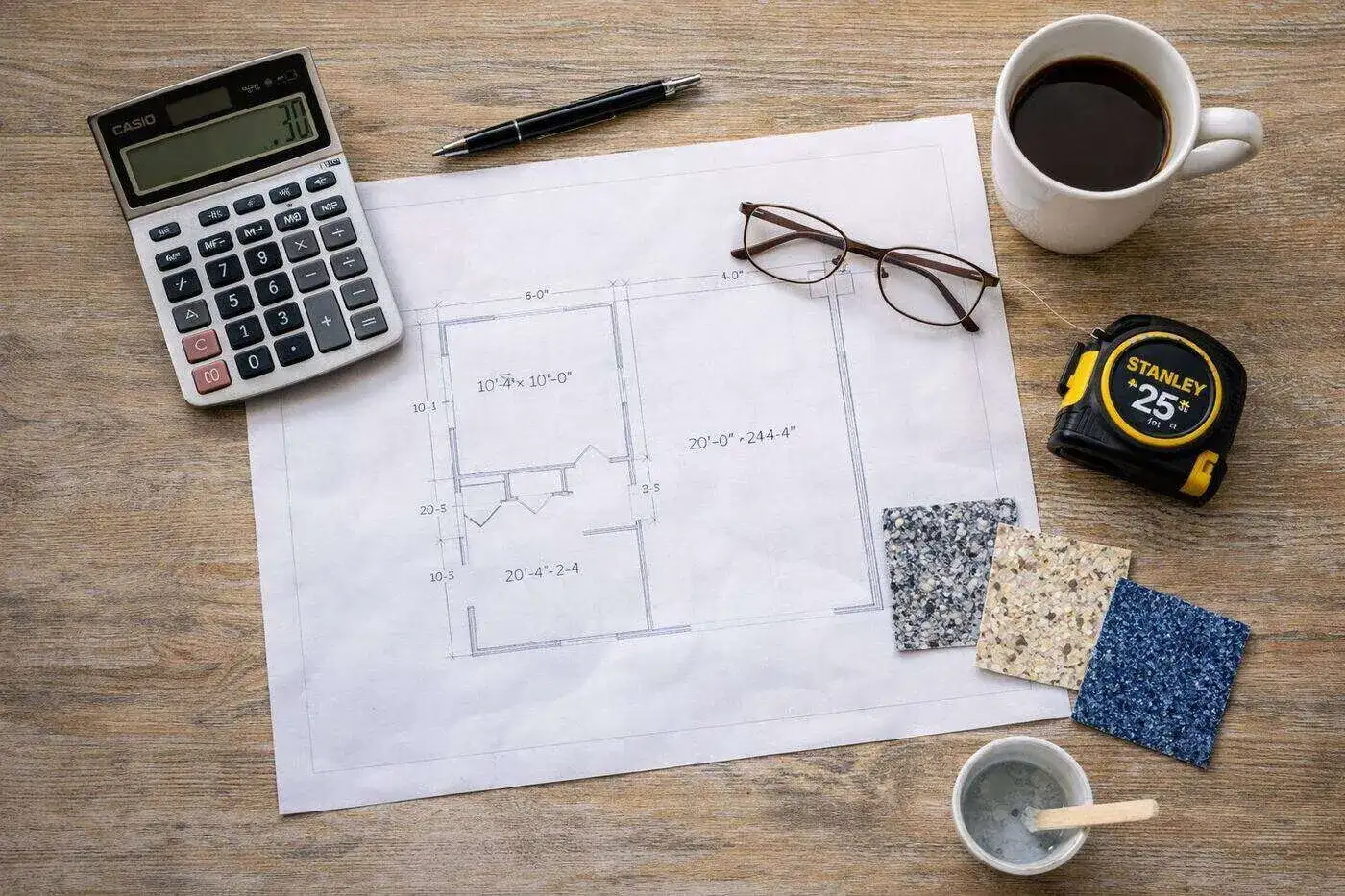
Epoxy Flooring Cost in Baton Rouge: What Sets Your Price (2026)
What actually drives the price of a Baton Rouge floor up or down, project by project.
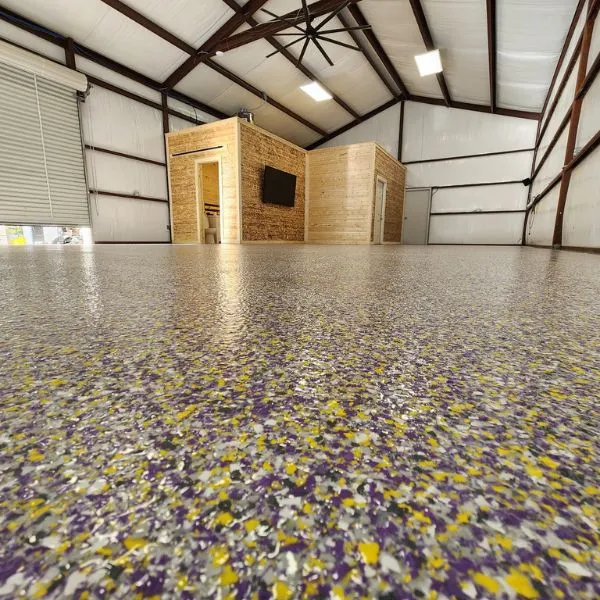
How Long Does an Epoxy Floor Last in Baton Rouge?
What a real lifespan looks like in our climate, and what makes a floor last or fail early.
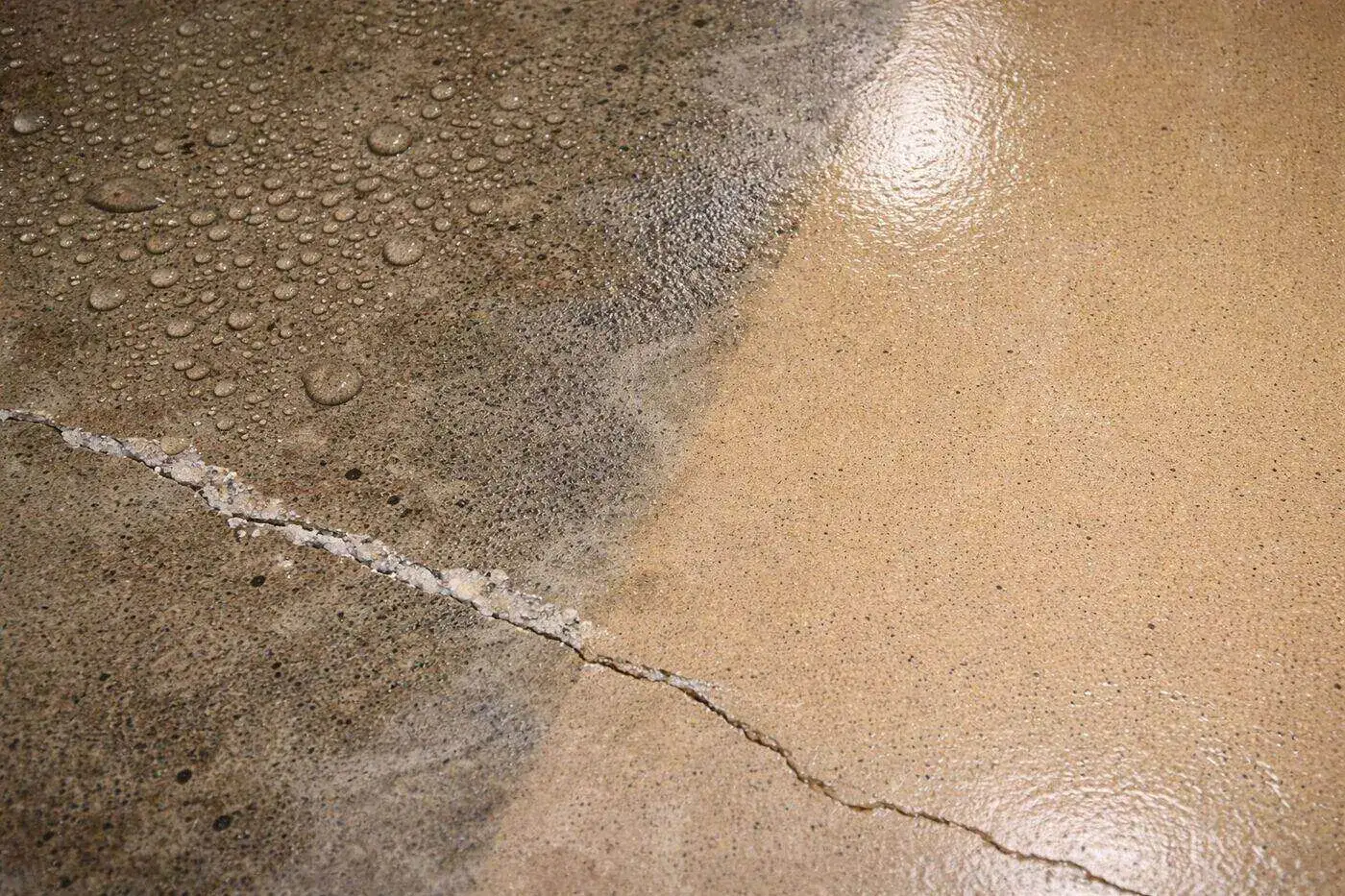
Louisiana Humidity and Epoxy Flooring: What You Need to Know
How Baton Rouge's climate affects epoxy installation, curing, and long-term performance.